The Institute
for Humanity — A living archive of human experience
Every human life deserves to be remembered.
Preserving the lived experiences of ordinary people at scale.
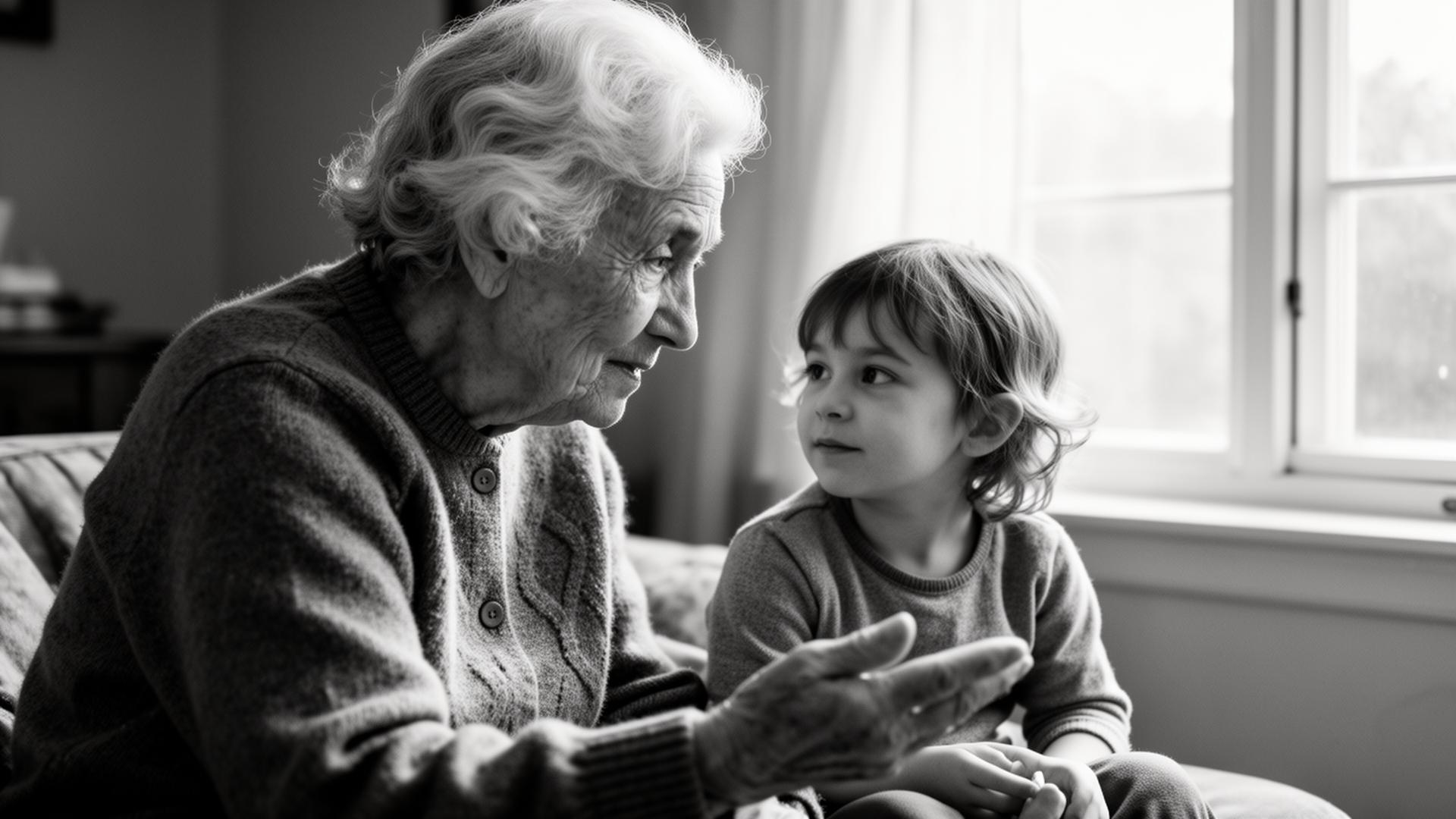
For most of human history, nearly every life has been forgotten.
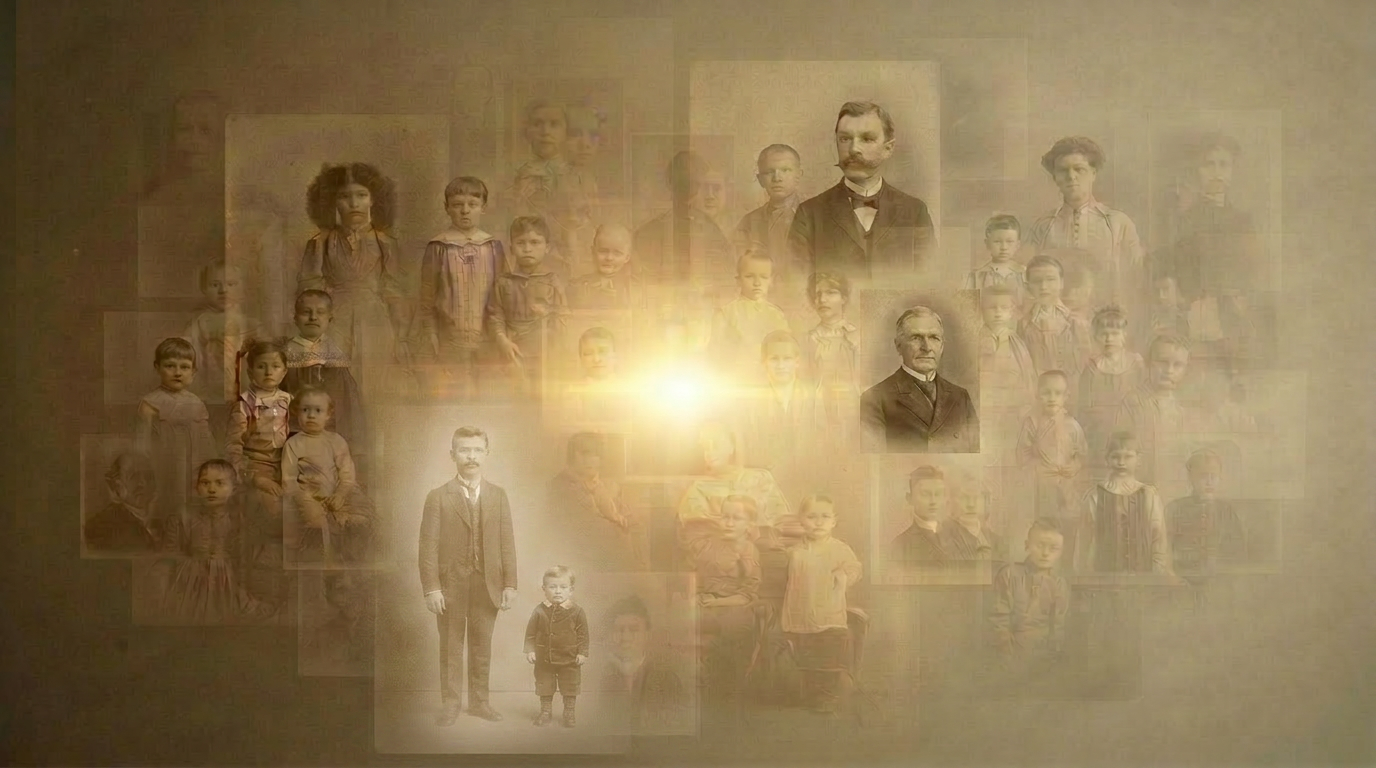
A few photographs.
A few stories.
A name on a stone.
The Institute for Humanity exists to ensure that future generations can experience the voices, stories, wisdom, and lived experiences of the people who came before them.
Humanity's Greatest Collection
The Institute for Humanity is building the largest archive of human experience ever assembled.
Not just the famous.
Not just world leaders.
Not just those who changed history.
Everyone.
Teachers.
Farmers.
Nurses.
Builders.
Parents.
Immigrants.
Artists.
Neighbors.
The people who make up humanity.
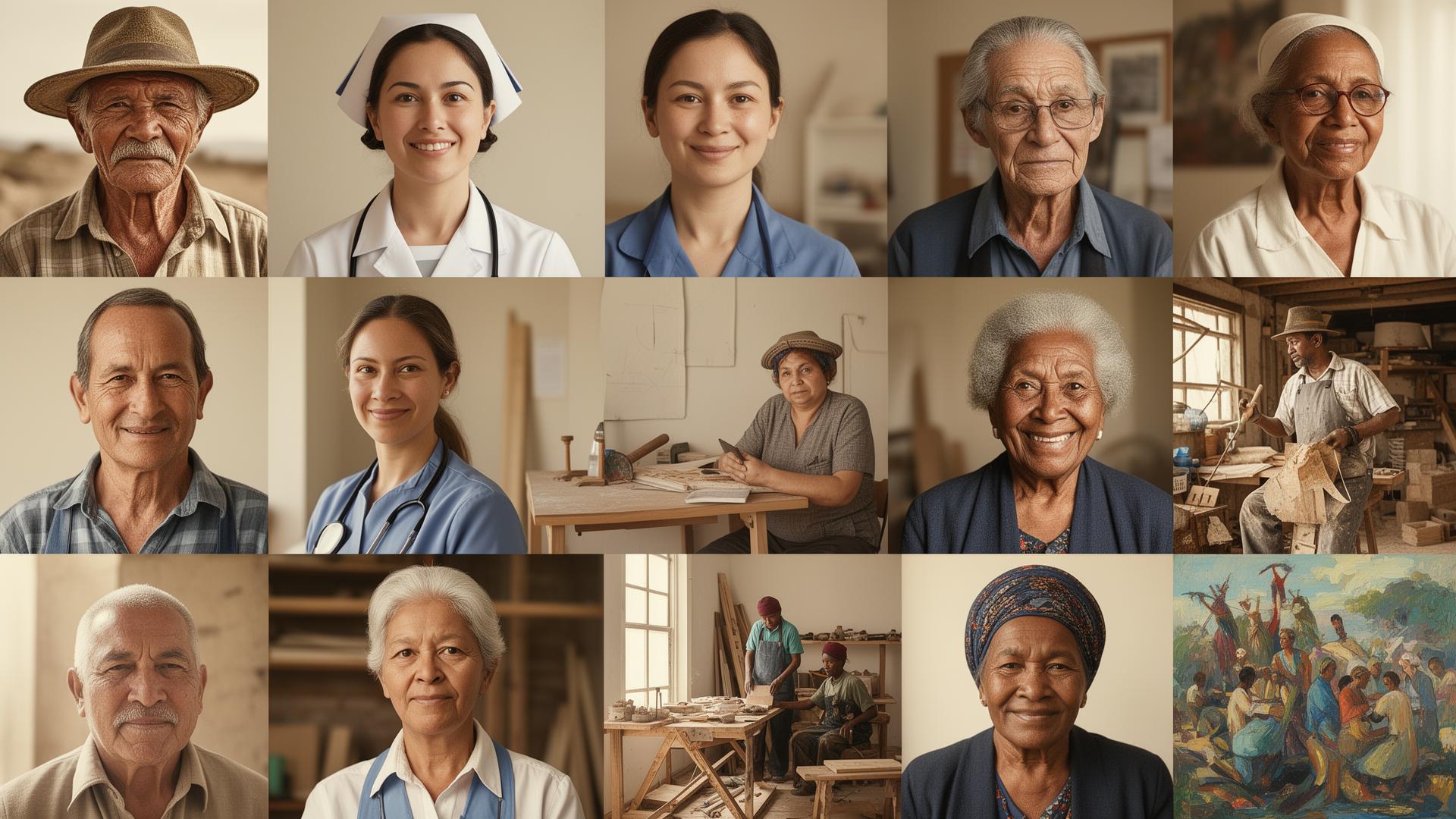
An archive measured not in documents, but in lives.
Our aim is to preserve the voices, stories, and lived experiences of millions of people across generations.
Not as records.
As human beings.
An archive measured not in documents, but in lives.
Building the infrastructure of memory.
The Institute for Humanity is building the infrastructure required to preserve human experience across generations.
- 01
Oral History Preservation
Capturing first-person accounts in the voice of the person who lived them.
- 02
Family Story Archives
Private, enduring repositories of the stories that shape a family.
- 03
Voice Preservation
Safeguarding the timbre, cadence, and presence of a human voice.
- 04
Digital Legacy Standards
Open standards so memory outlives any single platform or generation.
- 05
Ethical Consent Frameworks
Clear, revocable agreements that keep each person in authorship of their story.
- 06
Intergenerational Family Records
Connecting voices, stories, and lived experience across generations of a family.
- 07
Long-Term Stewardship
Custodianship of human memory measured in centuries, not product cycles.
Why It Matters
Stories disappear.
Every day, memories, voices, traditions, and life experiences are lost forever.
History is incomplete.
Most historical records preserve events, not people.
Future generations deserve more.
We believe every life holds knowledge, perspective, and meaning worth preserving.
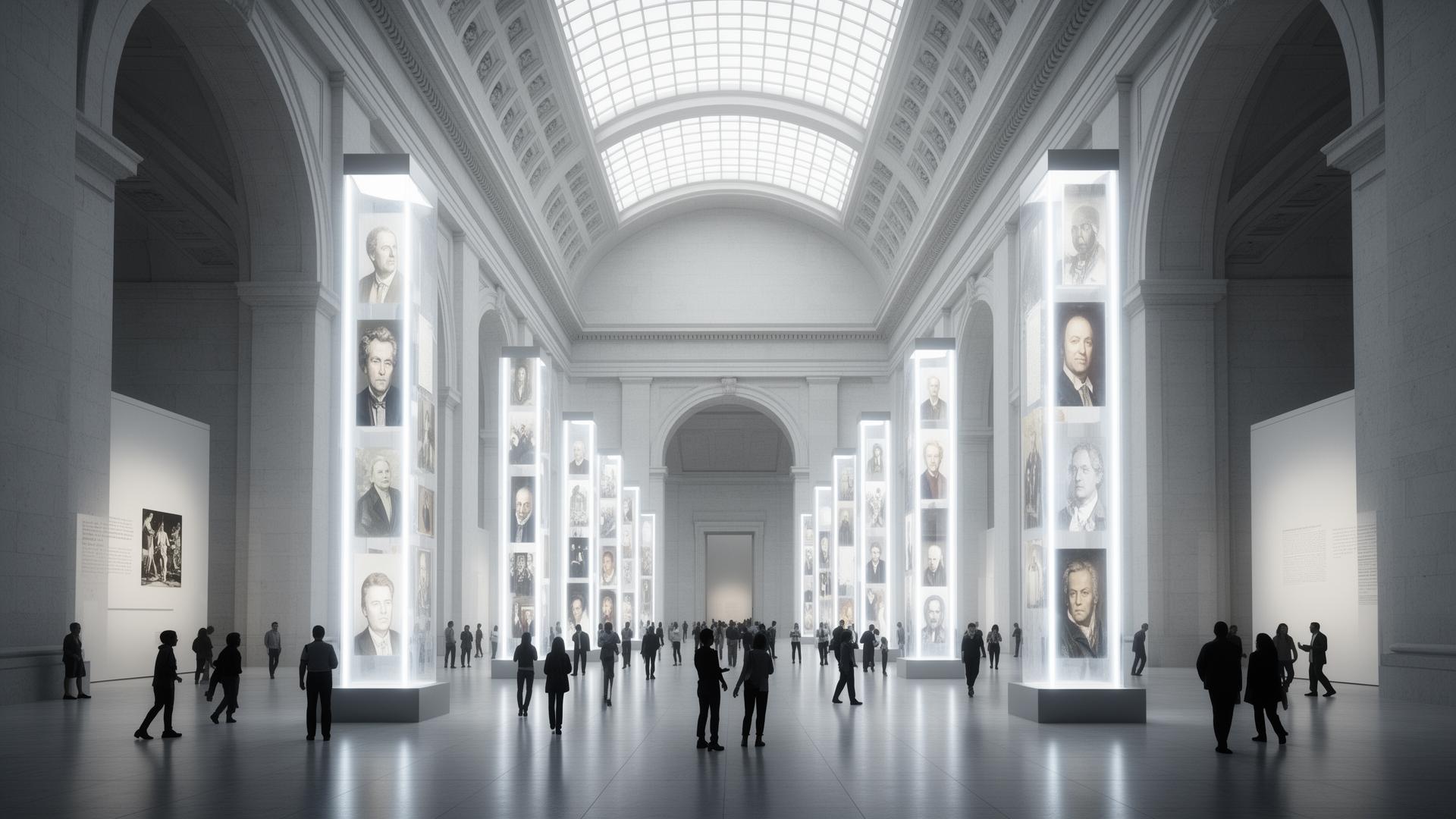
Imagine 200 years from now.
A child in the future explores the lives of people who lived centuries before.
Not through textbooks.
Not through summaries.
Through their voices.
Their stories.
Their experiences.
A future where humanity no longer forgets itself.
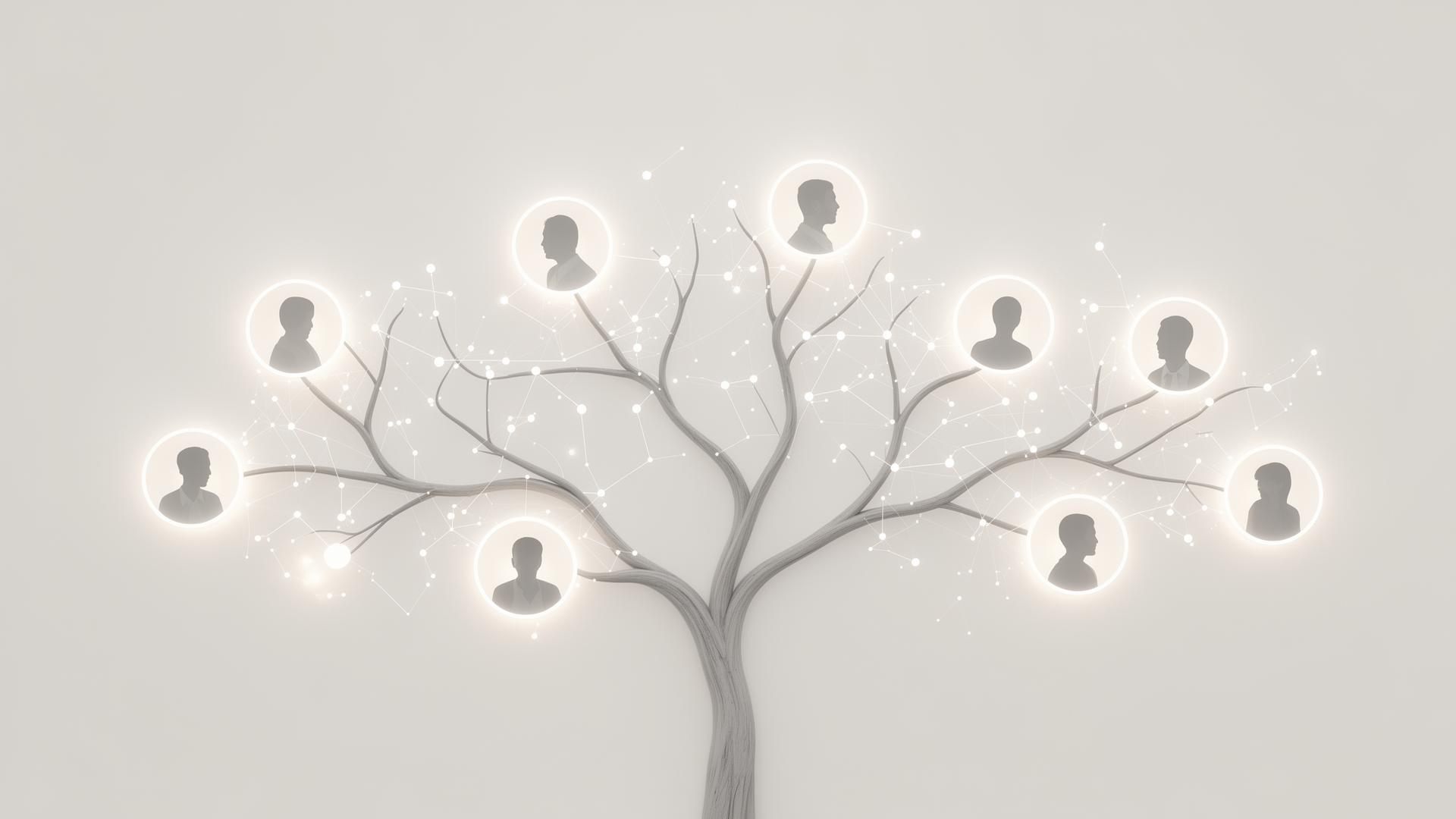
The family tree is humanity's oldest archive.
For thousands of years, families have passed down memory through stories, photographs, and names carried from one generation to the next.
The Living Family Tree is the modern continuation of that tradition — a place where every branch holds not only names and dates, but voices, wisdom, and lived experience.
Where descendants can meet the people who came before them.
Our Principles
Preservation
Holding human experience against the erosion of time.
Authenticity
Voices remain unedited, faithful to the person who spoke.
Consent
Every story is shared on the terms of the person who lived it.
Stewardship
We are custodians, not owners, of what is entrusted to us.
Accessibility
Open to descendants, scholars, and the curious — for centuries.
Human Dignity
Every life is treated with the gravity it deserves.
The Founding Collection
Every great institution maintains a collection.
Museums collect artifacts.
Libraries collect books.
Archives collect documents.
The Institute for Humanity collects lives.
Not the famous alone.
Not only those recorded in history.
But the people who make up humanity.
Teachers.
Farmers.
Parents.
Nurses.
Builders.
Immigrants.
Artists.
Neighbors.
The Founding Collection represents the first lives entrusted to the Institute's stewardship.
The voices preserved today will become part of humanity's historical record tomorrow.
Over the centuries, the Collection will grow to include millions of stories, memories, voices, and lived experiences from across generations and cultures.
A living archive of humanity.
Not as data.
As people.
LegacyLens
An Initiative ofThe Institute for Humanity
LegacyLens is building the technology that helps families preserve stories, voices, memories, and presence for future generations.
The Institute for Humanity exists to advance the broader mission: preserving humanity's lived experiences at scale.